169: Parenting (VII)
The relentless, non-linear years.

Our boys are three and five. I've stopped expecting development to follow a neat trajectory. Some things gradually improve - other skills reorganize overnight. One week your child is wearing diapers; the next, they're writing words and making puns.
Play is a potent piece of development. The scary monster games, the surprises - it's all controlled exposure therapy and exploratory learning that they're designing themselves. They're titrating fear in safe doses, building scaffolding for actual risk.
The sibling dynamic is its own laboratory. Conflict resolution happens in real time. They're navigating individuation and connection - collaborators and competitors, gathering data about limits and negotiation. Birth order creates asymmetries: the younger accelerates from observation and modeling; the older bears the prototype.
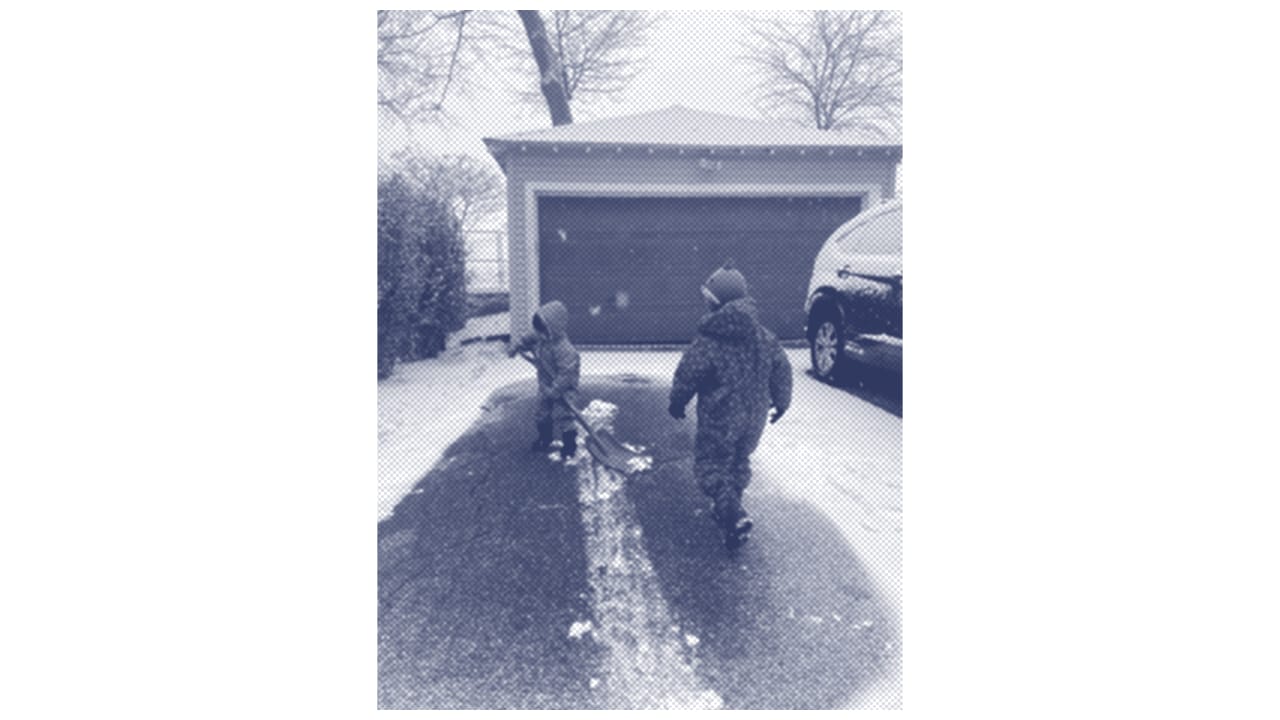
They both have an instinctive drive to contribute. Prosocial impulses seem hardwired. Kids naturally want to help - to matter - to be meaningful within the larger group.
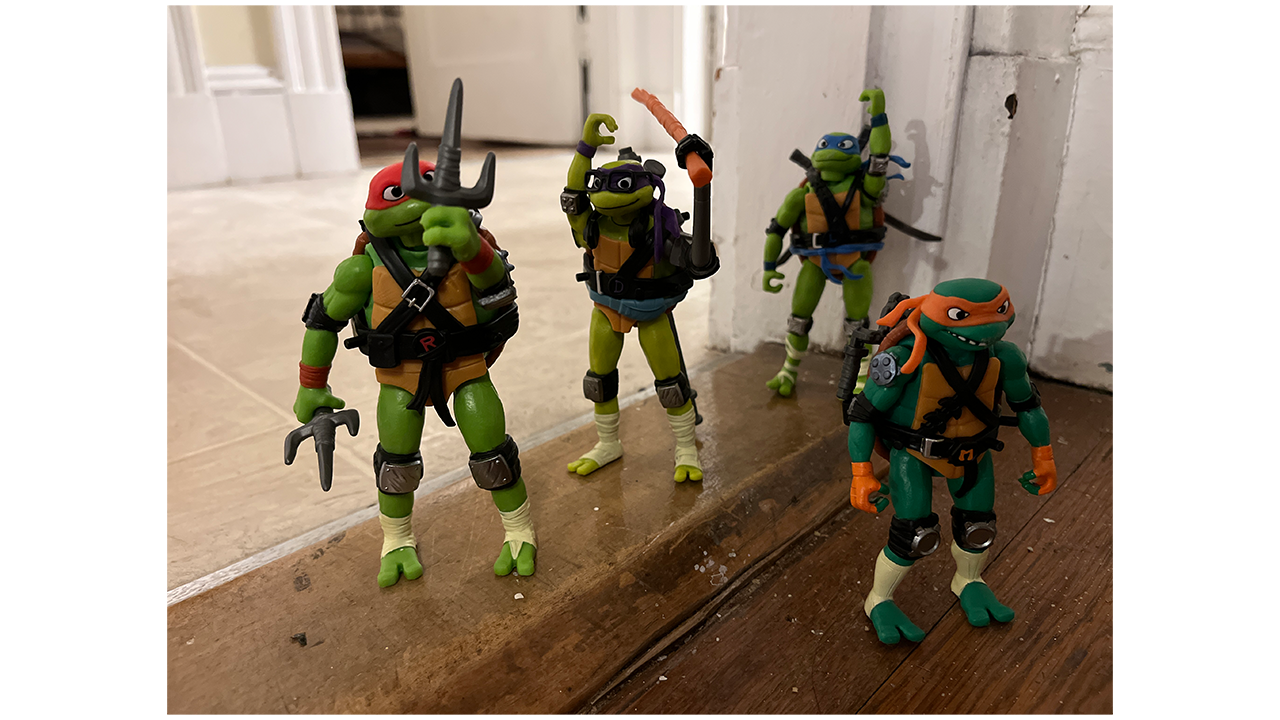
There's a fascination with trucks, tools, competition, wrestling, and machinery ("boy stuff"), even without parental cuing. Is this biology, culture, or both? I couldn't say.

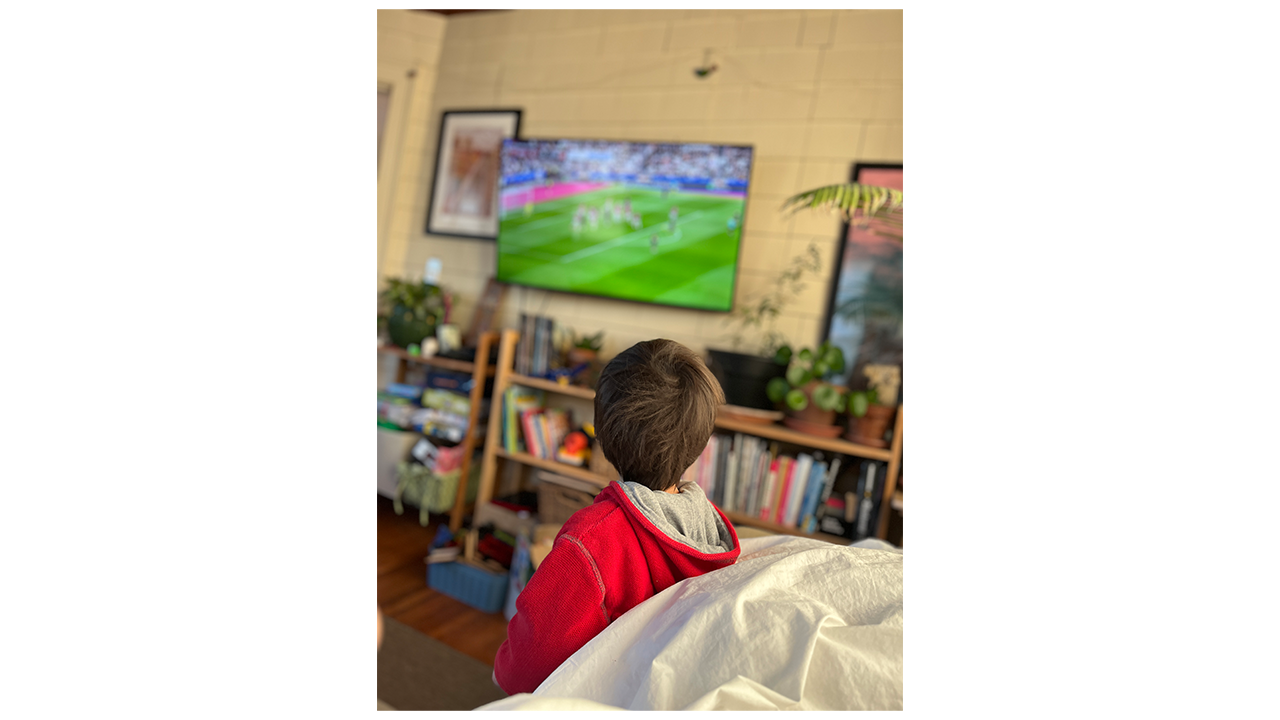
My wife and I grapple with screen time. We love watching classic TV together, but I'm haunted by what smartphones may mean later. There is value in consistency, at least. They don't need to like every rule, but need to understand the basic architecture.
Trust matters because we're playing the long game. I try not to lie, cognizant about credibility for harder conversations ahead. But children are perceptive - especially emotionally. They read tension and authenticity far better than facts and words.
We're tired - middle-of-the-night wake-ups and sick days take a toll. I miss solitude, but we'll also miss this era someday (mispronounced words, books, cuddles). For now, stolen 15-minute increments suffice. This phase won't last forever.
We try to provide conditions where growth happens safely: enough risk for competence and confidence, but enough support to skirt disaster. Protecting innocence while also preparing them for reality. It's a constant recalibration.
Parents survive by maintaining community and/or partnership. I try to remember that Stephanie and I are a dyad inside a larger system - and sneak occasional date nights.
The journey continues, nonlinearly.
Share your thoughts

This series, chronologically 📁
 Jeremy Finch
 Jeremy Finch
 Jeremy Finch
 Jeremy Finch
 Jeremy Finch
 Jeremy Finch